Section 01
Field Trials and Hunt Tests
Rulebooks, stakes, levels, titles and how a day of judging runs: the reference section on organized retriever work in the United States.

Organized retriever work in the United States runs on four separate programs, and each one publishes its own rulebook. The American Kennel Club runs both field trials, the oldest and most demanding circuit, and hunting tests, which are scored against a written standard rather than against the other dogs entered. The United Kennel Club runs the Hunting Retriever Club program on a points system, and NAHRA runs a fourth ladder organized by working ability rather than by age. A beginner asking the most ordinary question in the sport, which is where a decent hunting dog should start, currently has to open four documents to answer it.
This section exists to close that gap. The stakes and levels table lays every published level side by side under one set of columns, with the edition of the rulebook and the date it was read printed on each row. AKC field trials explained takes the trial circuit stake by stake and describes how a series actually runs. Hunt tests, level by level does the same for Junior, Senior and Master, where most hunting dogs enter. Which program to start with turns that comparison into a decision for one particular dog.
The rule and the practice are never the same column
The single distinction that runs through everything here is the one between what a rulebook states and what the sport habitually does. A great deal of what circulates about retriever work presents a judge's habit as a written requirement. Distances in a field trial are the clearest example: they are set on the day, on the ground available, by the people judging. On this site a habit is labeled as a habit, in its own field, and a written requirement carries the chapter and section it came from.
That distinction is not pedantry. It decides what a handler trains for. If a figure is written into a rulebook, it can be prepared against with confidence, because it will be the same at every event. If it is a judging habit, it varies with the ground, the wind and the people running the day, and a dog trained to one version of it will meet another version the following weekend. Reading the two as one thing is the fastest way to be surprised at the line.
Where to go from here
Readers who want the vocabulary before the rules should start with the glossary of the line, which defines callback, series, honor, no bird, popping and the rest, and flags the confusion that each term usually causes. Readers who already follow the sport and want to decode a written report will find that in reading trial results. And anyone who wants to check the ground under all of it will find the editions, the sections and the reading dates in sources and method.
The other doors of the publication: Training, Gear, Waterfowl, Breeds & Health, Grounds and The Line. Every one of them points back to the stakes and levels table.
In this section
6 pages, newest first.
-
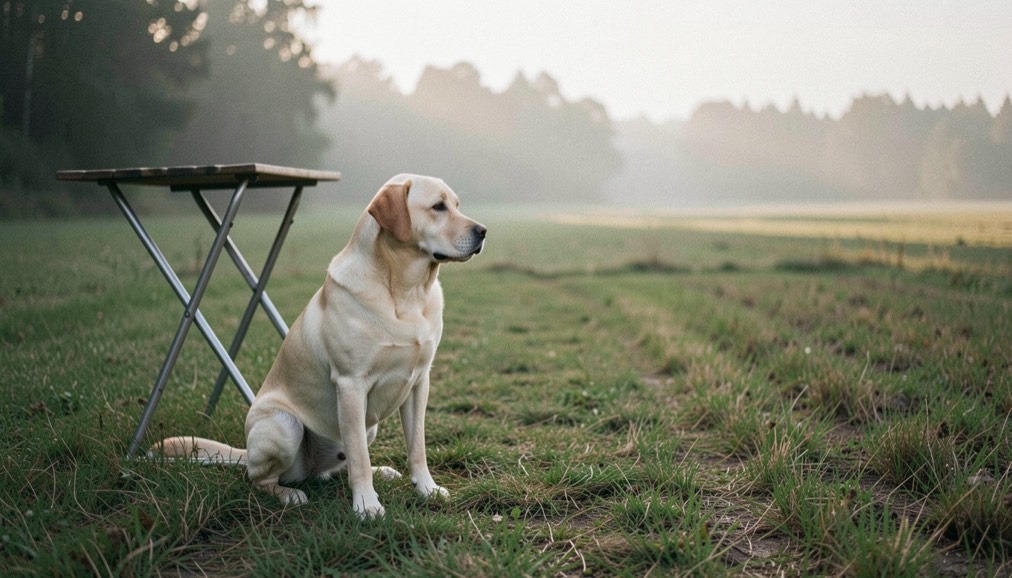
AKC Hunt Tests: Junior, Senior and Master
A hunting test is scored against a written standard, not against the other dogs entered. Three levels, each adding a demand to the one below, and a rulebook that says exactly what a pass costs.
September 1, 2026
-
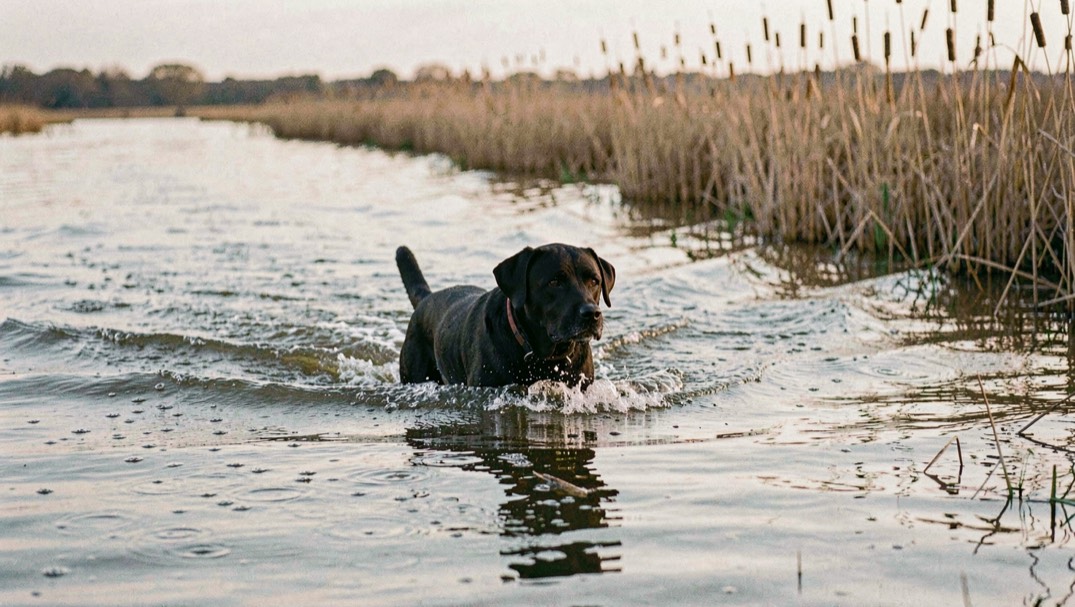
AKC Retriever Field Trials, Stake by Stake
A field trial places dogs against each other rather than against a standard, and that single difference changes the ground, the distances and the way a series is judged.
August 30, 2026
-
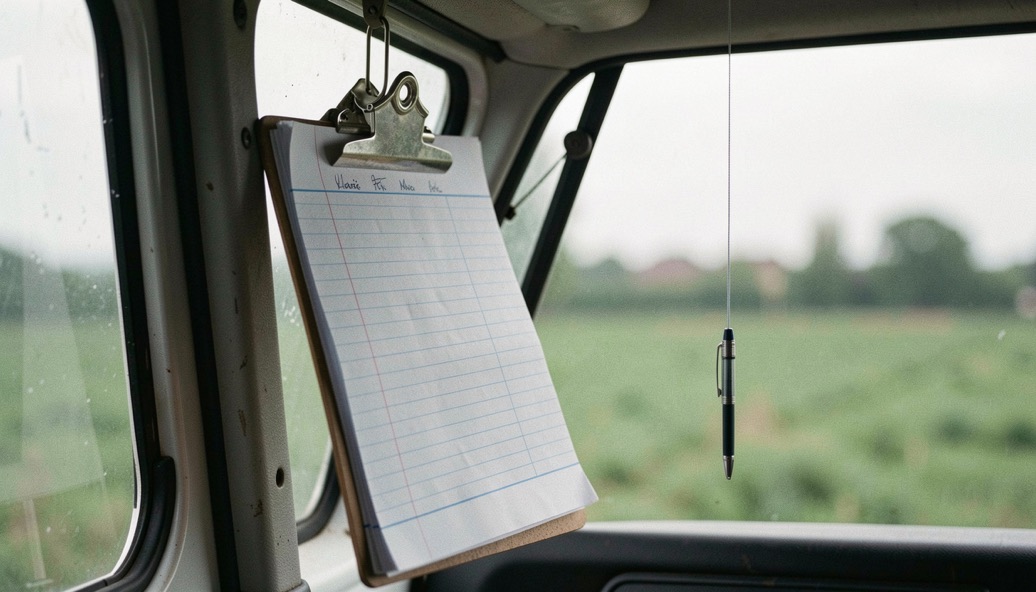
The Stakes and Levels Table
Four programs, one set of columns. Each row carries the edition of the rulebook it came from, the date it was read, and two separate fields for what the rule states and what the sport habitually does.
August 29, 2026
-

Where to Start With a Working Retriever
The first entry is a training decision, not a ranking of prestige. Start from the dog in front of you, pick the door it can walk through, and train the eight weeks before it.
August 28, 2026
-

Glossary of the Line
The language spoken at the line is compact, technical and almost never written down in one place. Each entry here carries a short definition, a longer one, and the confusion it usually causes.
August 26, 2026
-

How to Read Retriever Trial Results
A trial report is a record of series, not of dogs. Learning to read one means learning six words, and knowing what the sheet deliberately leaves out.
August 21, 2026