Section 02
Retriever Training
Marks, blinds, handling, steadiness, honor and water work: how a retriever is built from the first short mark to a finished dog.
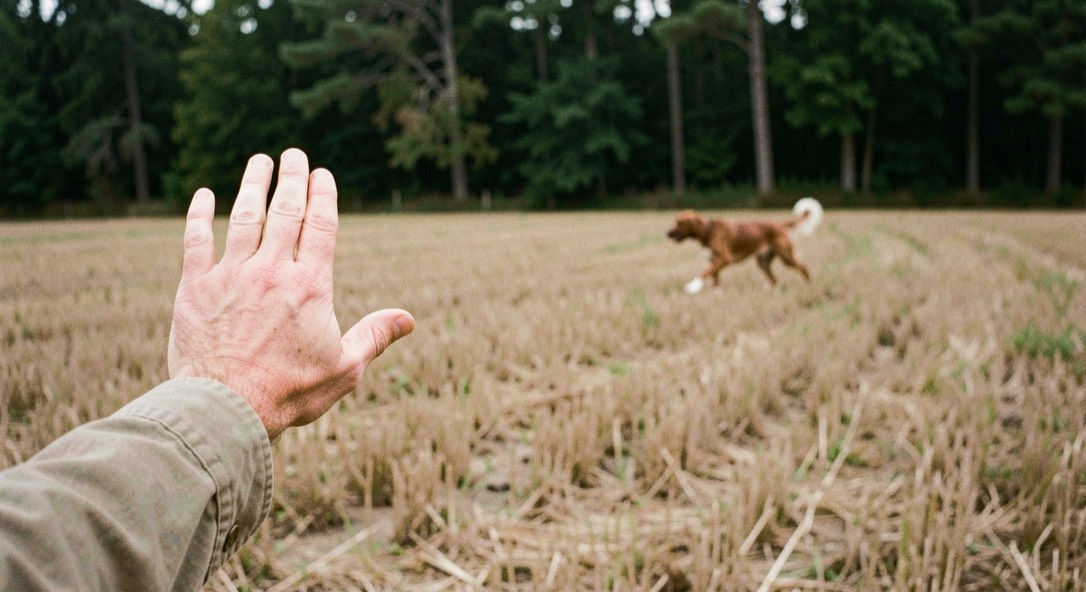
Retriever training only makes sense read as a progression. A puppy that carries a canvas bumper across a lawn and a finished dog that runs a two hundred yard water blind are doing the same job at two ends of the same ladder, and almost every exercise in between exists because a specific level asks for a specific thing. That is why this section is organized by what the dog is being built toward rather than by drill names.
Marks and blinds is the page to read first, because the pair gives the site its name and gives the sport its structure. A mark is a bird the dog watched fall and then has to remember; a blind is a bird it never saw, which it can only find by taking a line, stopping to the whistle and accepting casts. Those are two different mental jobs, and the levels add them in a fixed order.
The first year decides the next five
The first months covers what a young retriever learns before any formal work: the world, a recall that holds, a sit on the whistle, short happy singles, water met without pressure and gunfire introduced at a distance rather than imposed. The most useful thing that page says is what can wait, because most of the expensive problems in this sport are made by asking a nine month old dog for something a two year old dog should be doing.
Water, cold, and knowing when to stop
Cold water work deals with the season that defines training in the Northeast. Cold water is a dose rather than a temperature: what matters is how cold, for how long, how often, and what the dog looks like coming out. That page describes observable signs and sensible session limits, and it sends anything that becomes a medical question to a veterinarian rather than answering it here.
What is deliberately not here
There is no program of the week and no drill that fixes everything. Training pages here describe a sequence and the reasoning behind it, and they say what a given exercise is preparing the dog for, because an exercise without a destination is just activity. They also stop short of prescribing a plan for a particular dog: a page cannot see the animal, the ground or the handler, and pretending otherwise would be the same error as printing a judging habit as a rule.
Equipment questions that come out of training belong in the gear section, and the level that a given exercise is preparing for is set out in the stakes and levels table. The vocabulary used across every training page, from cast refusal to popping, is defined once in the glossary of the line.
The other doors of the publication: Trials & Tests, Gear, Waterfowl, Breeds & Health, Grounds and The Line. Every one of them points back to the stakes and levels table.
In this section
3 pages, newest first.
-
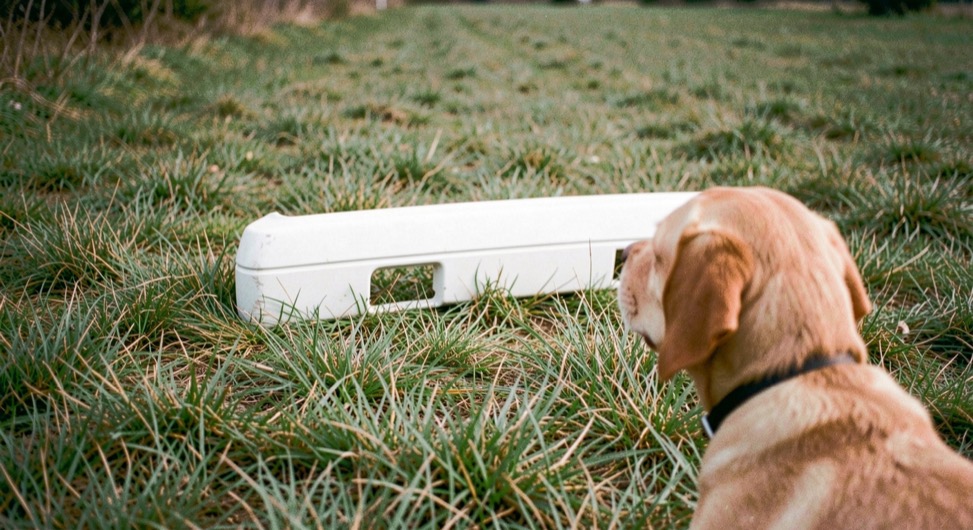
Marks and Blinds: The Two Retrieves
A mark is memory. A blind is trust. Those are two different jobs for the dog and two different jobs for the handler, and the whole ladder is built by adding one to the other.
August 27, 2026
-
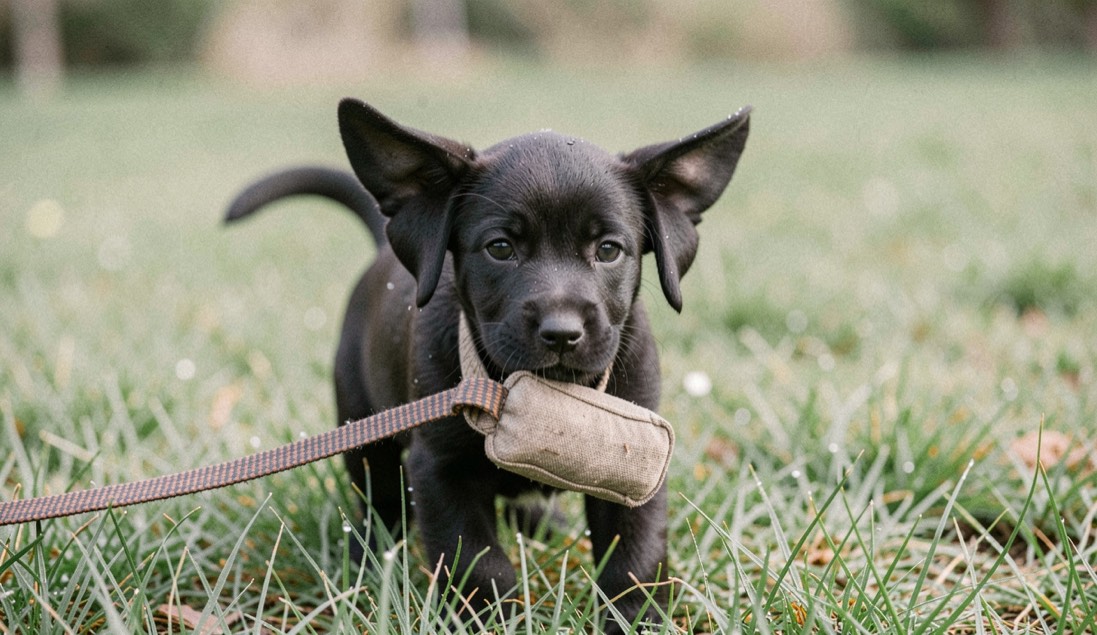
Training a Retriever Puppy: The First Months
The first months are about the world, not the bumper. Most of the expensive problems in this sport are made by asking a young dog for something a mature dog should be doing.
August 20, 2026
-
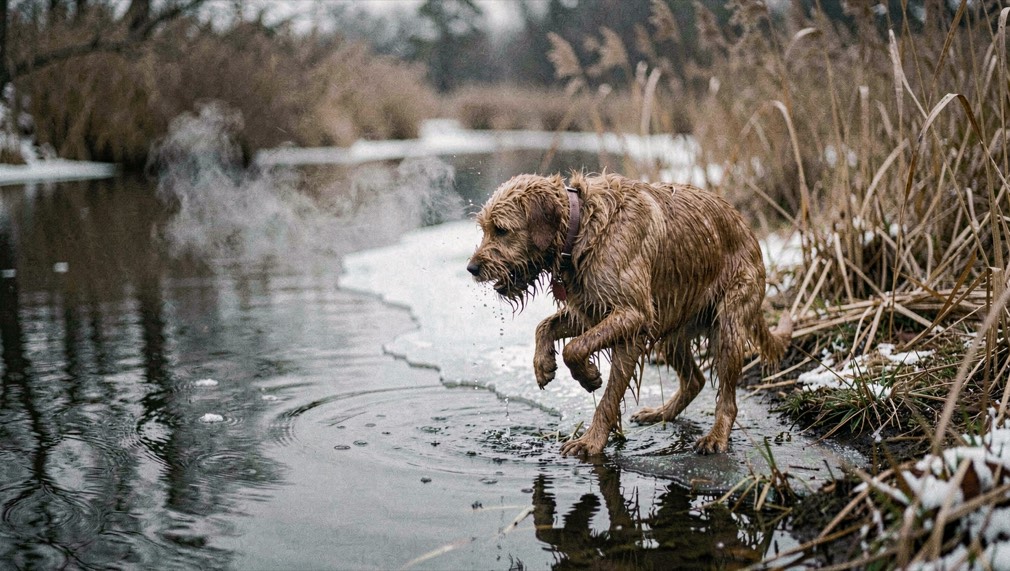
Cold Water Work and What It Costs a Dog
Cold water is a dose, not a temperature. How cold, for how long, how often, and what the dog looks like coming out: those four together decide whether a session was training or damage.
August 19, 2026